Work | Maschine Mikro MKIII
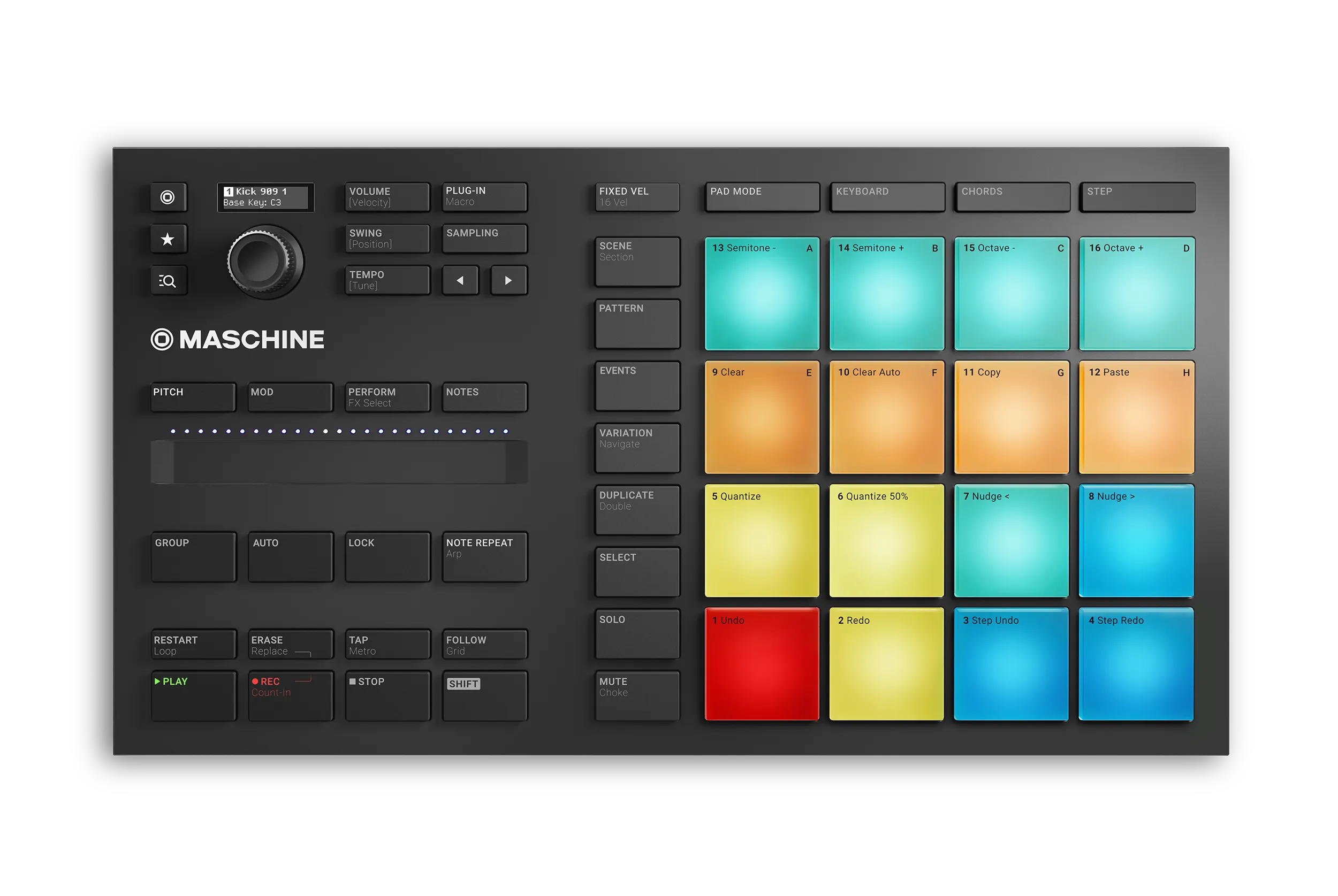
Hardware Interface
The focus of Maschine Mikro MKIII was updating the hardware interface to align with Native Instruments evolving design language. The redesign needed to modernise the product visually and functionally while remaining fully compatible with existing Maschine software workflows and maintaining a strict, budget-friendly price point. The work concentrated on the physical interface, in parallel with a second designer responsible for software integration. Check out Maschine Mikro here.
Contribution
Hardware UX
Interface Design
The challenge was balancing three competing requirements: introducing a contemporary hardware language, preserving familiar workflows relied upon by existing users, and controlling production costs. Any changes to the interface needed to feel immediately recognisable to current users while offering clearer feedback and improved usability without increasing manufacturing complexity.
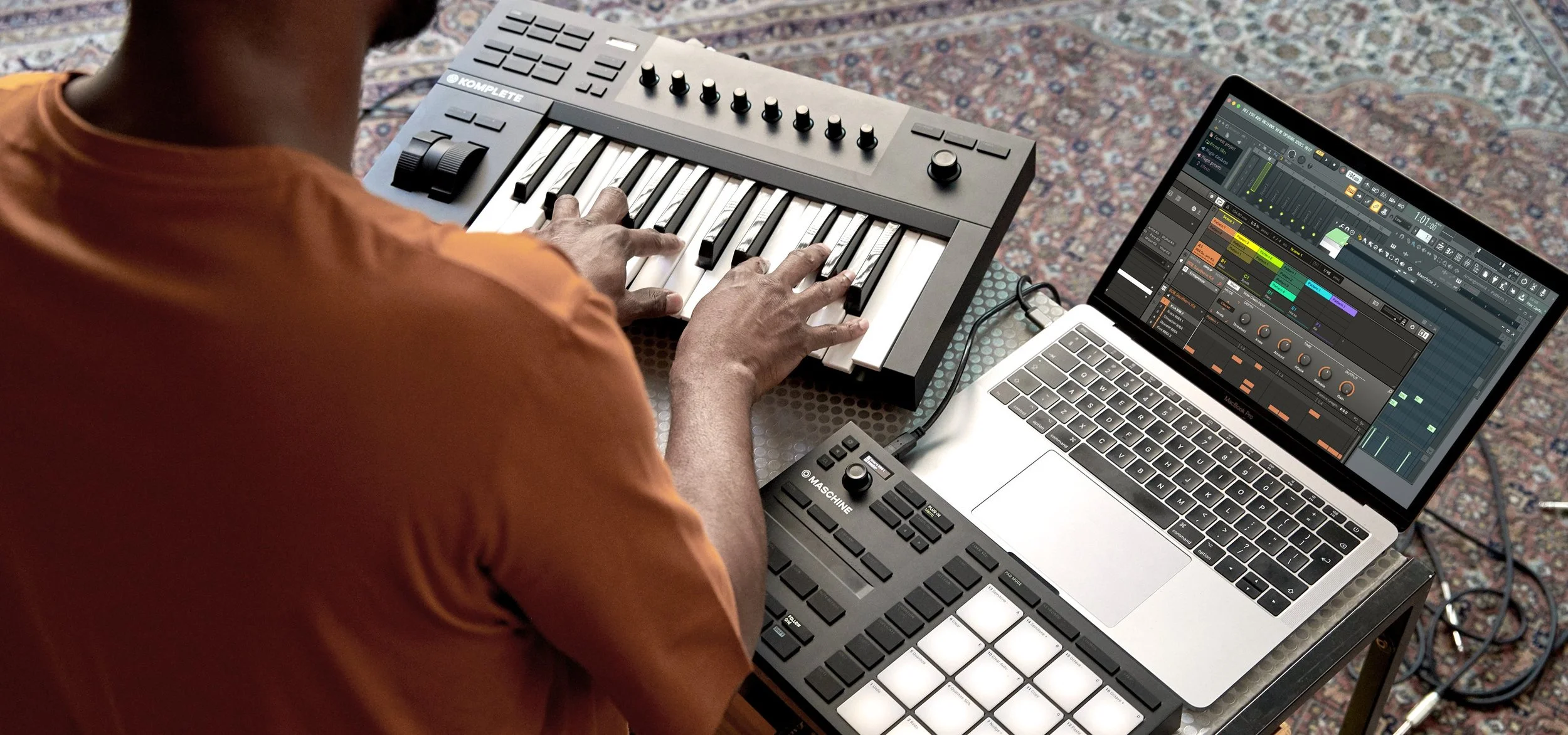
Ni Ecosystem
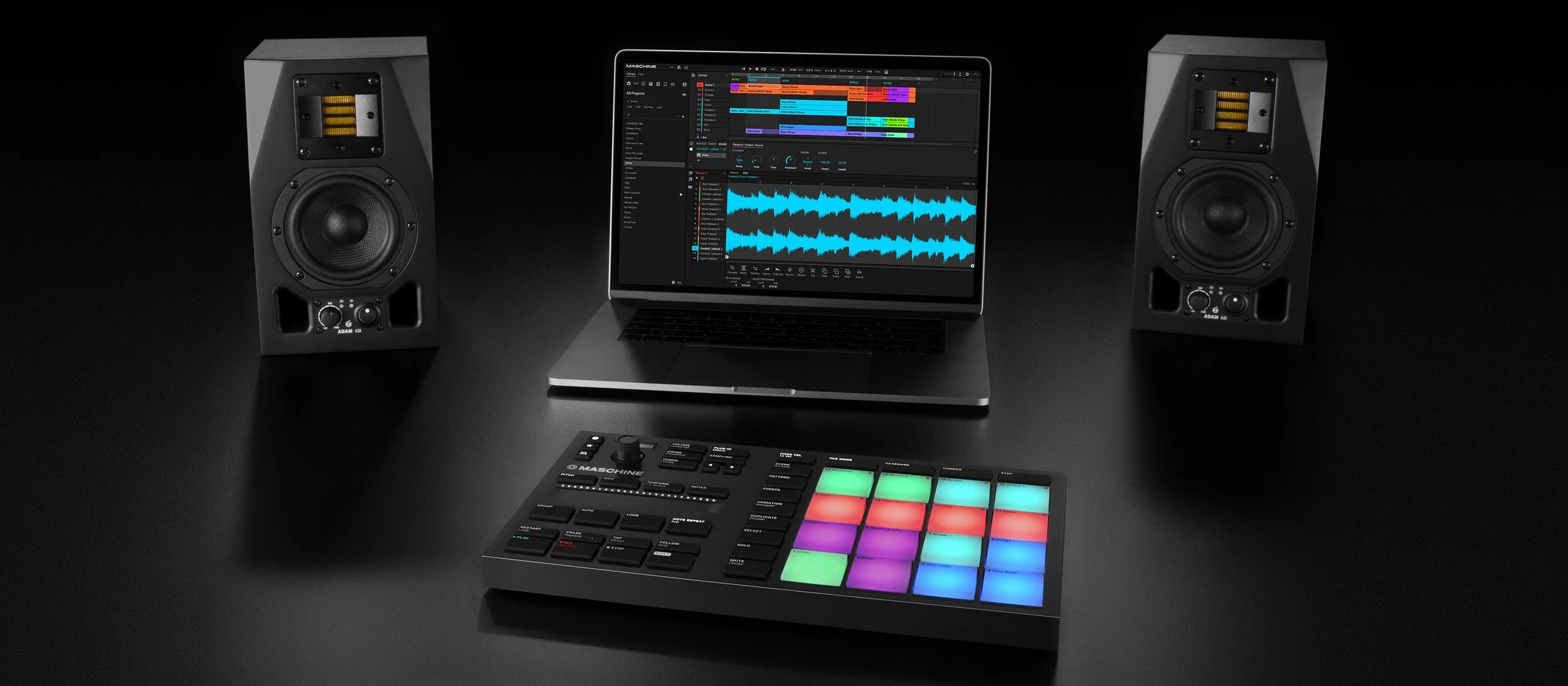
Maschine 2 Software
The redesign retained core interaction patterns while refining layout, hierarchy, and physical affordances to better reflect the updated design system. Essential workflows were mapped directly to hardware controls to ensure continuity between the device and the software. During testing, limitations in feedback and state visibility became apparent. To address this, a compact display was introduced, providing critical information and interaction cues without adding visual noise or cost overhead. Where hardware constraints limited direct access to functionality, secondary actions were carefully reintroduced through shift-based interactions to preserve depth without increasing component count.
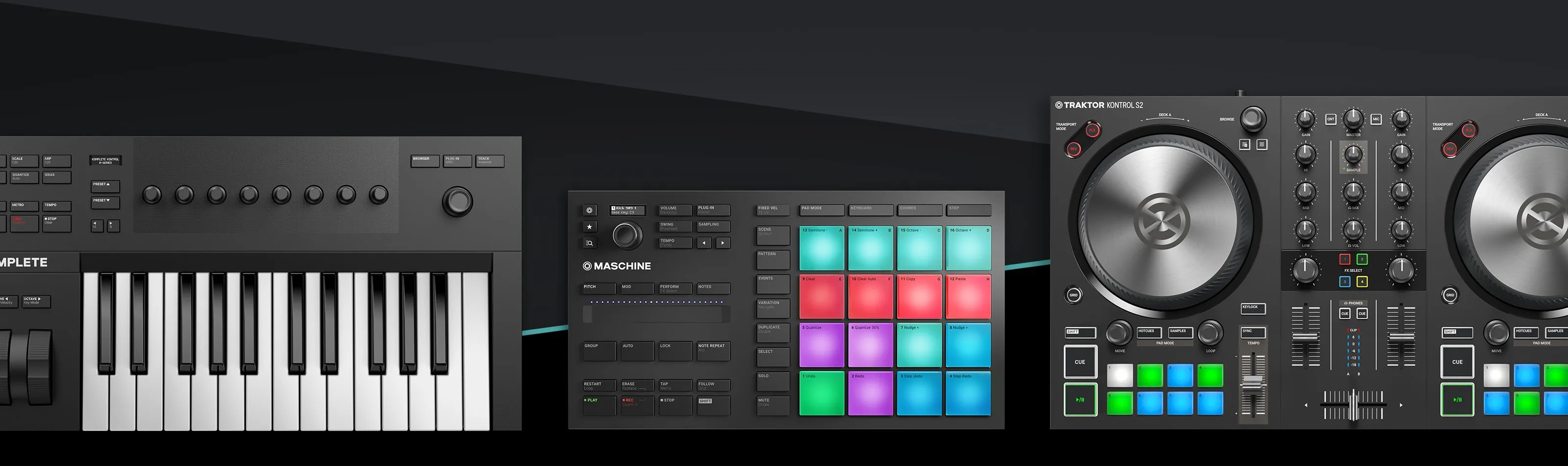
NI Hardware Design Language
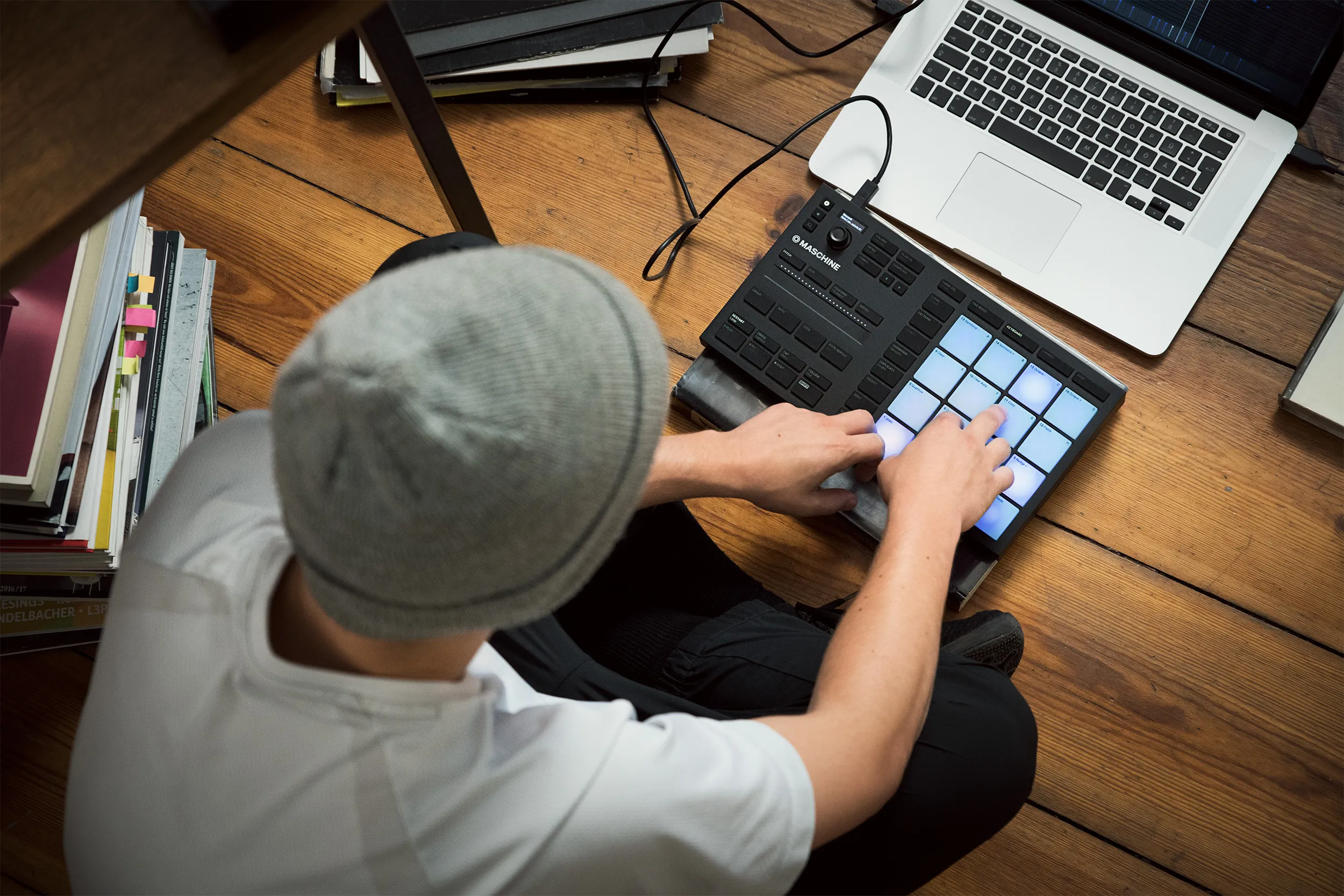
Portable enough to be used anywhere
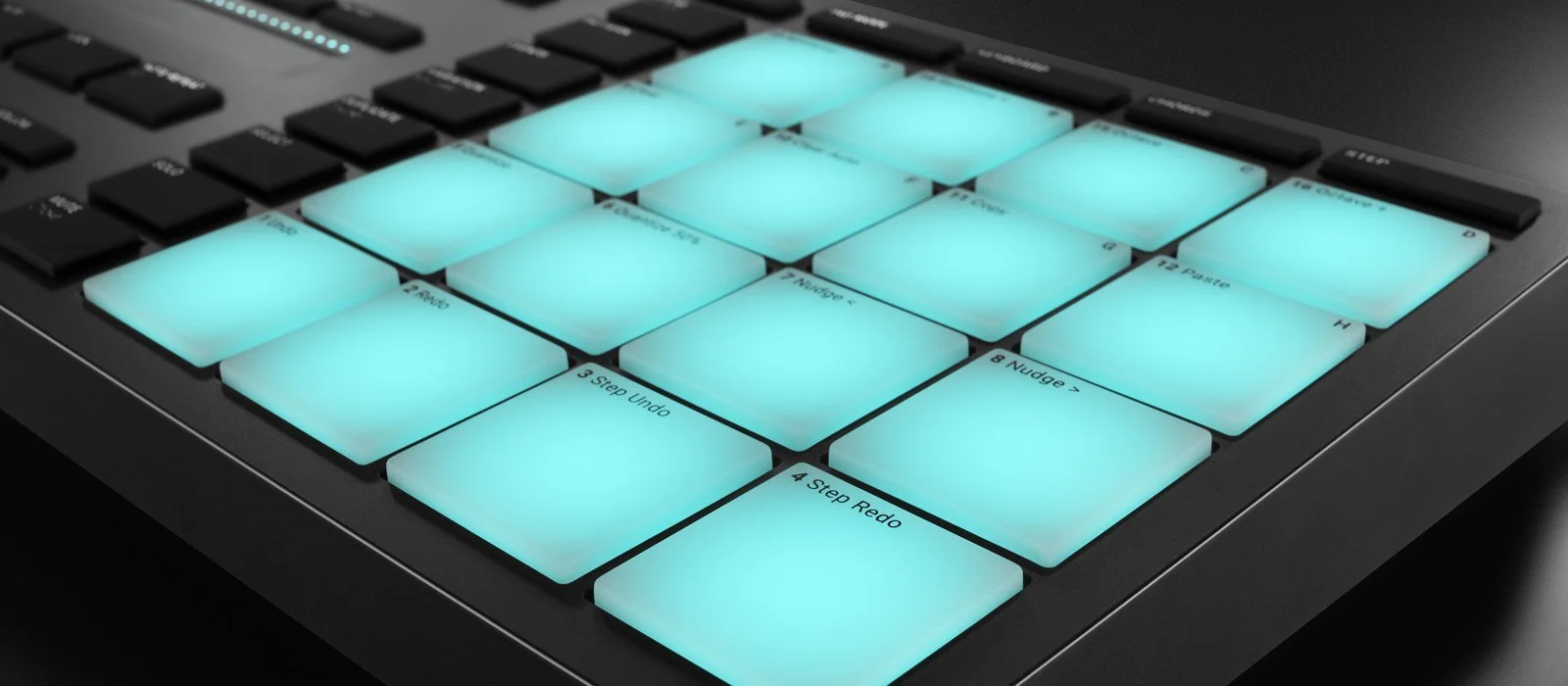
Classic Maschine Pads
The hardware interface was developed in close collaboration with both in-house engineering teams and external manufacturing partners to ensure feasibility and cost alignment. Design decisions were continuously evaluated against production constraints. A detailed interaction specification was produced for handover to the software integration team, ensuring that hardware and software workflows remained tightly aligned and that compromises made on the physical interface were clearly supported in software.
Maschine Mikro MKIII launched as a modernised, accessible controller that maintained compatibility with established Maschine workflows. The product has remained widely adopted in studios and continues to feature prominently in music production content, reflecting the success of the redesign in balancing usability, familiarity, and cost constraints.